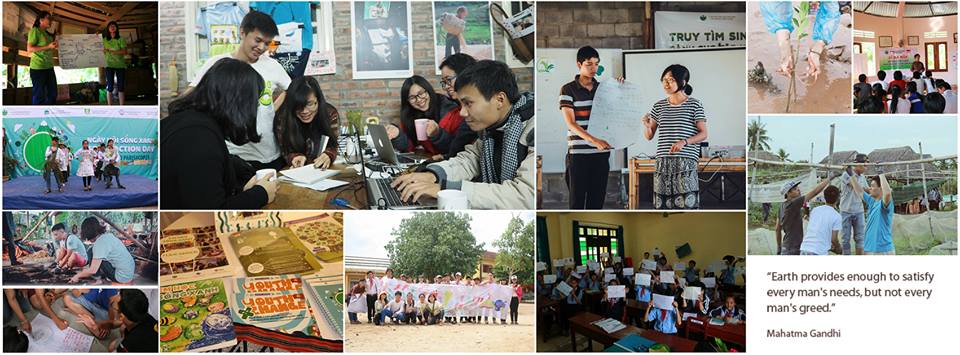

A pilot program integrating nutrition education into teaching is being conducted at four junior high schools in Hanoi
With increasing attention to school nutrition, integrating nutritional knowledge into core educational activities is becoming an effective approach to help students develop healthy eating habits from an early age.
Within the framework of the Good Food at School Project, pilot activities integrating nutrition education into teaching have been implemented at four junior high schools: Yen Hoa Secondary School, Nam Trung Yen Secondary School, Nghia Tan Secondary School, and Truong Cong Giai Secondary School. The lessons provided students with lively learning experiences, combining scientific knowledge with engaging interactive activities.

Through a series of creatively designed lessons, students not only acquired nutritional knowledge but also developed life skills, proactive thinking, and self-care awareness.
Model of integrating nutrition education into teaching
In the lessons, students were exposed to a wealth of important nutritional knowledge relevant to their daily lives. Students learn about the food pyramid, the body’s nutritional needs, BMI, and how to identify nutritional status. In addition, they are guided on the principles of building balanced menus, how to choose fresh and clean foods, how to read nutritional information on food packaging, and learn about reducing food waste and choosing seasonal foods.

Importantly, the lesson content goes beyond theory and incorporates many practical activities such as: group work, presentations, menu design, interactive games, watching films, and discussing real-life situations. As a result, the knowledge becomes relatable, easy to understand, and easy to apply to daily life.
Lively Nutrition Lessons at Junior High Schools
Yen Hoa Secondary School: Exploring the Foundations of Nutrition and Health
At Yen Hoa Secondary School, nutrition lessons were lively and engaging, with enthusiastic participation from 6th and 7th grade students. They learned about the food pyramid, BMI, and recognized nutritional conditions such as malnutrition and overweight/obesity.

Through presentations and school-wide sharing, students proactively prepared lesson content, leading their peers in exploring the “garden of nutritious foods.” The classroom atmosphere became vibrant with quizzes, interactive activities, and sharing of healthy eating experiences.

This knowledge helped students better understand the role of a balanced diet and raised awareness of food safety and hygiene in food selection and preparation.
Nam Trung Yen Secondary School: Exploring the World of Nutrition Through 5 Themes
At Nam Trung Yen Secondary School, a series of 14 lessons integrating nutrition education has taken students on a journey to explore the world of food through many engaging themes.

Students learned basic knowledge about nutrition and health, how to choose food when shopping, and the principles of safe food preparation. In addition, students explored various processed foods, learned about the food supply chain, and participated in activities such as watching films and discussions to enhance their understanding of food and agriculture.

Diverse teaching methods such as games, group work, watching films, and discussions helped students absorb knowledge naturally, while also forming healthy food choices.
Nghia Tan Secondary School: Learning Nutrition Through Practical Experience
At Nghia Tan Junior High School, nutrition lessons offer many exciting learning experiences for 6th grade students.

Instead of just learning from textbooks, students participate in group discussions, design school menus, draw illustrations of dishes, and practice preparing simple meals. These activities not only make the lessons more engaging but also cultivate teamwork skills, creative thinking, and a sense of responsibility.

In particular, students act as “nutrition inspirations,” confidently presenting and sharing their knowledge with their peers, contributing to spreading the message of scientific and healthy eating.
Truong Cong Giai Secondary School: Exploring the “Universe of Nutrition”
At Truong Cong Giai Junior High School, 10 lessons integrating nutrition have provided students with a fascinating “universe of knowledge.”

Students explored many topics relevant to their lives, such as how to build a balanced menu, skills in choosing food when shopping, and how to read nutritional information on product packaging. In addition, they learned about food waste and the importance of choosing seasonal foods, thereby developing an awareness of rational and environmentally friendly food consumption.

The classroom atmosphere was always lively with icebreaker games, team relay activities, and creative group work. As a result, students actively explored knowledge and gradually developed a positive attitude towards food choices and environmental protection.
Promoting healthy eating habits in schools
The series of pilot activities at four junior high schools demonstrated the positive effectiveness of integrating nutrition education into teaching.

Through a series of activities integrating nutrition education, students not only gain more knowledge about health and food but also gradually develop healthy eating habits. The lessons help them better understand the role of nutrition in physical development, while also raising awareness of choosing safe food, reducing food waste, and proactively taking care of their own health.
Towards a healthy and sustainable school environment
The pilot program integrating nutrition education at Yen Hoa Secondary School, Nam Trung Yen Secondary School, Nghia Tan Secondary School, and Truong Cong Giai Secondary School is an important first step in building a school environment that prioritizes health and nutrition for students.

The lively and creative lessons have sown the “seeds” of healthy eating habits, helping students not only understand nutrition but also apply the knowledge to their daily lives.
In the future, such nutrition education activities are expected to continue to be expanded, contributing to building a generation of healthy, active students who are conscious of taking care of themselves starting from the smallest meals.